


Social norms and access to agricultural production resources: Insights from Southern Mexico
Women at the heart of food systems
Women play a central role in rural agriculture. They contribute significantly to household food production, particularly in cultivating staple crops like maize and beans. Yet despite their contributions, women farmers often face systemic barriers: limited access to land, credit, inputs, and agricultural extension services.
These challenges aren’t just economic- they are social. Across many communities, deeply rooted social norms shape who gets to farm, who makes decisions, and who has access to critical resources. These norms influence not only behavior, but also expectations, opportunities, and even self-perception.
Rethinking Gender and Agriculture in Southern Mexico: The Role of Social Norms
Agriculture in Mexico is anything but uniform. Across the country, two distinct systems coexist: a large-scale, intensive agricultural sector concentrated in the north, and a smaller, more traditional system spread across central and southern regions. It is within these smallholder systems that a quieter, but deeply important story is unfolding-one shaped by gender, access, and social norms.
What are social norms and why do they matter?
Social norms are the unwritten rules that guide behavior within a community. They define what is considered appropriate, acceptable, or expected. They shape everything from labor division to land ownership, and even who feels “allowed” to participate in certain activities.
For example, women are often associated with “careful” tasks like seed selection and harvesting whilst men are expected to handle machinery or physically demanding labor. In some communities, myths still discourage women from entering certain farming spaces.
Inside my research
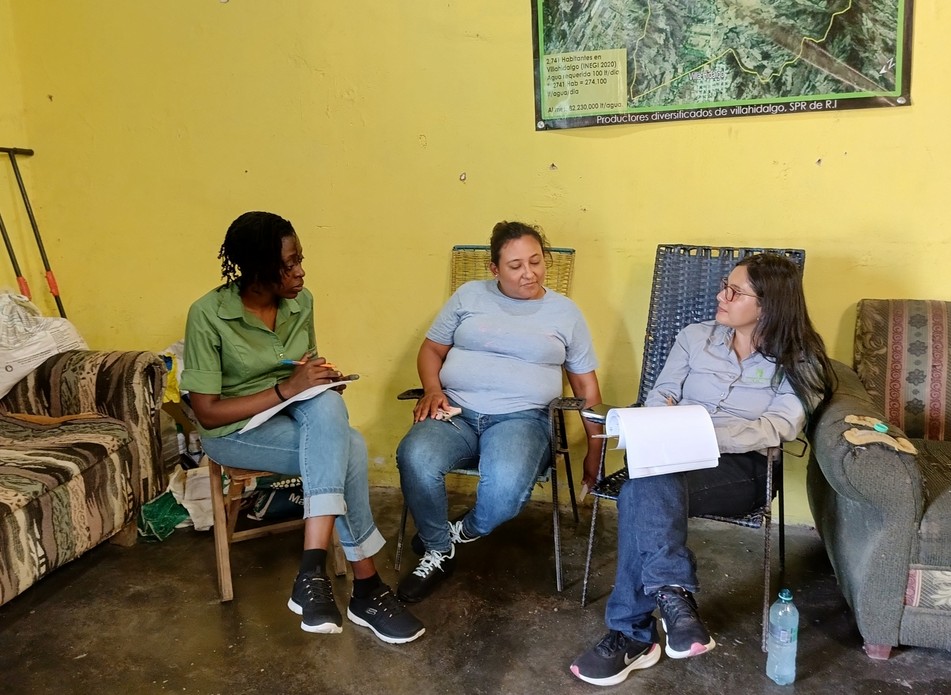
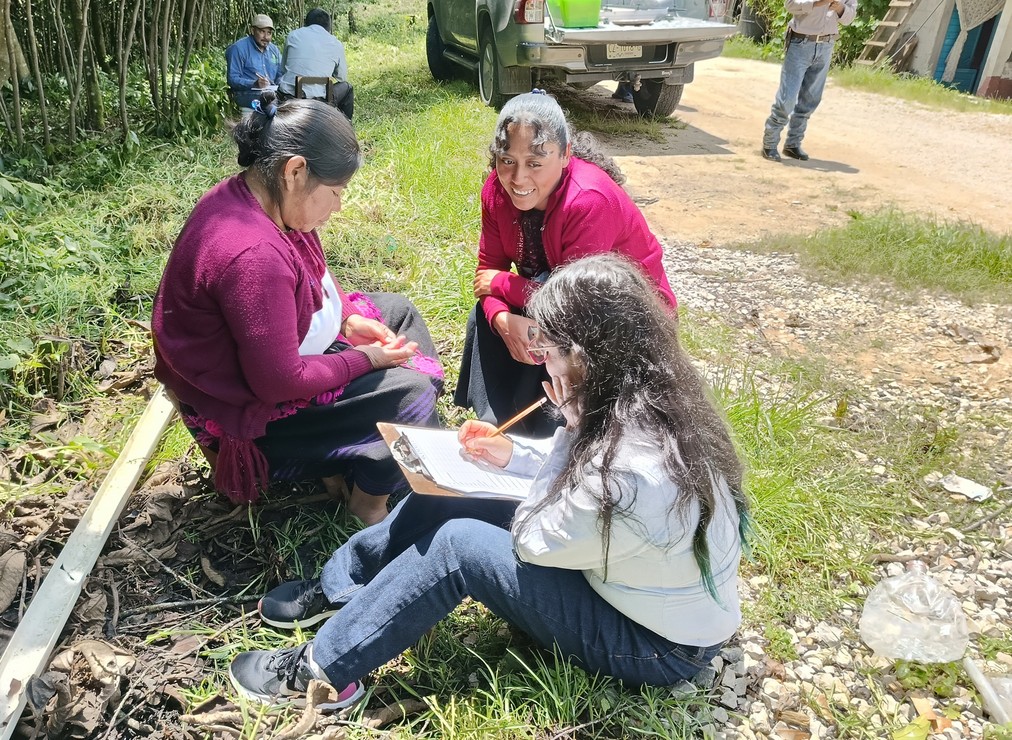
To better understand how norms influence women’s access to agricultural resources, I partnered with the International Maize and Wheat Improvement Center (CIMMYT) in Mexico to conduct fieldwork in Quintana Roo, Oaxaca, and Chiapas during the months of July and August 2025. My research combined focus group discussions and individual interviews with farmers, extension officers, and representatives from non-governmental organizations working with women in agriculture.
What we have learned so far
- Norms are changing- but not disappearing
Many respondents acknowledged that traditional beliefs- especially those limiting women’s participation- have weakened over the past decade, with some participants actively challenging outdated ideas and encouraging women to take on roles previously considered off-limits. Still, remnants of these beliefs persist, sometimes subtly influencing behavior and decision-making. - Gender roles remain strongly defined
Agricultural tasks are still largely divided along gender lines, with divisions often justified by perceived physical strength, safety concerns and assumptions about attention to detail. - Crossing gender boundaries is accompanied by mixed reactions
When women take on traditionally male roles and vice versa, the response is complex. Some community members express admiration while others respond with criticism or ridicule. Interestingly, resistance is not just one sided as both men and women reinforce these norms. At the same time, there is growing openness to change, especially among younger generations. - Migration is quietly reshaping gender roles
In parts of Chiapas and Quintana Roo, male outmigration either to the United States or tourism hubs has shifted agricultural responsibilities onto women.
This shift has led to greater autonomy and decision-making power for women and in some cases, a significant increase in workloads, as farming responsibilities are added to existing household duties.
This “double burden” highlights the complexity of empowerment as more control doesn’t always mean less strain. - Access to resources: more than just norms
One of the most striking preliminary findings is that institutional barriers may far outweigh social norms when it comes to resource access for women farmers.
For example, credit access often depends on provision of what some respondents termed as a ton of documentation and collateral. In some areas, women have historically been excluded from land ownership systems, even where policies support gender equality, causing practical access to remain uneven.
Why This Matters
Social norms are powerful because they’re invisible and often unquestioned. They provide a sense of identity and belonging but can also limit opportunities.
My research suggests that:
- Changing norms is a gradual and lengthy process
- Economic and institutional reforms must go hand-in-hand with social change and
- Interventions that ignore norms risk falling short (for instance, giving women access to land or resources isn’t enough if underlying beliefs still restrict how those resources can be used).
Looking ahead
Encouragingly, many communities are already in a period of transition. Exposure to new ways of life and ideas through migration, technological advancement, education, and policy changes is slowly reshaping perceptions of gender roles in agriculture.
As one participant reflected, change is happening, but it takes time, awareness, and collective effort. For researchers, policymakers, and development practitioners, the takeaway is clear: to improve agricultural outcomes and gender equity, we must address not just resources but the social norms that govern them.
I am grateful to the CIMMYT Sustainable Agrifood Systems (SAS) project, the Global Fellowships for Agricultural Development (GFAD) and the Hemispheric Institute of the Americas (HIA) whose support enabled me to carry out successful field work in Mexico. My deepest gratitude to the SAS team at CIMMYT, especially Dr. Sylvanus, Jessica, Joshua, Rodolfo and Vica, not to mention all our respondents who generously shared their time, experiences and insights to make this study successful. My sincerest gratitude also goes to Dr. Amina Mama and Dr. Amanda Crump, whose insights and guidance have been invaluable.
Gallery Images:
Interview time:

New friends:


Taking in sights with the team:


Craft time with an expert weaver and farmer:


