


UC Davis and the SDG2 Hub at the World Food Forum
UC Davis co-chairs the UN Academic Impact SDG 2: Zero Hunger Hub. In October, the SDG2 Hub took its work to the World Food Forum in Rome.
Quick Summary
- UC Davis co-chairs the UN Academic Impact SDG 2: Zero Hunger Hub. In October, the SDG2 Hub took its work to the World Food Forum in Rome.
The United Nations Academic Impact SDG 2 Zero Hunger Hub is a group of universities working toward the Sustainable Development Goal of ending hunger. It is co-chaired by UC Davis and EARTH University in Costa Rica. The vice chairs are Kwame Nkrumah University of Science and Technology (KNUST) in Ghana, Newcastle University in the United Kingdom and McGill University in Canada. The SDG2 Hub also includes the University of Pretoria and the University of São Paulo, which chair other SDG Hubs in the network.
The SDG2 Hub's 2026 work plan includes bringing the SDGs into teaching and research and linking research to policy. Members are co-designing a collaborative course on food systems and supporting linkages between science and policy. The SDG2 Hub is also facilitating international opportunities for student engagement and input into policymaking. Taking part in international forums is a core part of that plan.
At the World Food Forum
In October, UC Davis and Newcastle University representatives attended the World Food Forum flagship event, held October 12–16 at the headquarters of the Food and Agriculture Organization of the United Nations (FAO) in Rome. The Forum is the UN's global forum on science, technology, investment and generational renewal in agrifood systems, with participants from more than 190 countries. Erin McGuire, Executive Director of the International Agricultural Development (IAD) program, represented UC Davis and the SDG2 Hub alongside Graham Long of Newcastle University, with support from UC Davis Global Affairs.
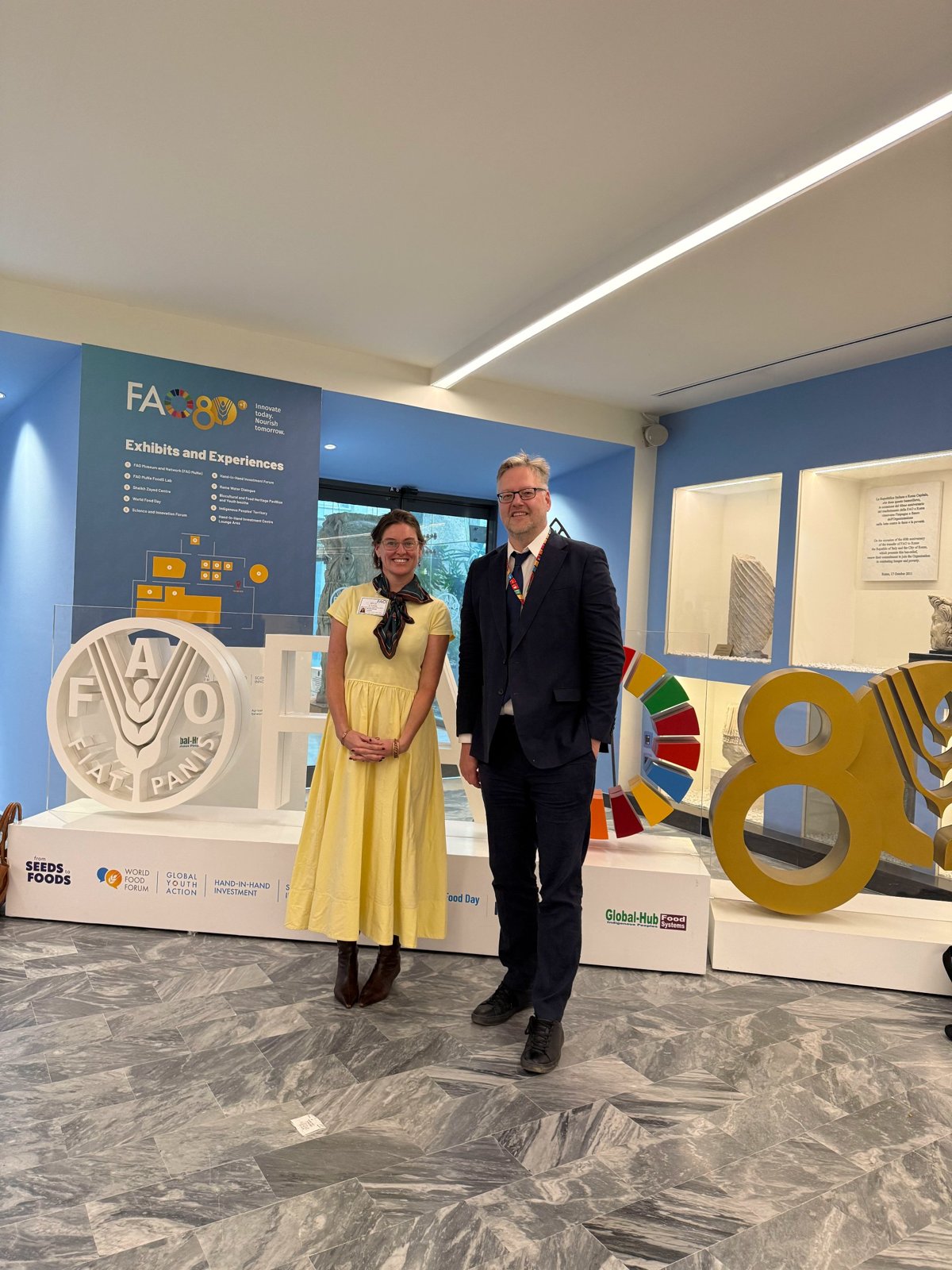
Over the week, UC Davis took part in:
- An SDG2 Hub meeting with Newcastle University. Graham Long, the SDG2 Hub's Vice Chair for Research and Innovation, and Erin McGuire of UC Davis discussed gaps in how FAO understands certain topics and a possible joint thought piece from the SDG2 Hub.
- The U.S. university delegation program. Ten U.S. university delegations attended in person. A regional networking session with youth representatives from Canada and the FAO Liaison Office for North America explored how universities could work together, from sharing expertise to internships and research.
- The FAO Science and Innovation Forum, in the session “Women Farmers in the Digital Age: From Access to Agency,” with a talk on how AI scales what it's built on.
- A workshop on readiness to scale. MIT's Abdul Latif Jameel Water and Food Systems Lab (J-WAFS), with IWMI, ICARDA and IHE Delft, hosted “Evaluating Readiness to Scale for Agricultural Water Innovations,” an interactive session to co-design a way of assessing the technical, financial, institutional and policy barriers that keep innovations from moving from pilot to scale.
- A roundtable with Ambassador Lynda Blanchard, U.S. Ambassador to the UN Agencies in Rome, and representatives of about six universities. UC Davis shared its work on food and agriculture and proposed a joint event at the next World Food Forum and clearer routes to partnerships with Italian universities and FAO.
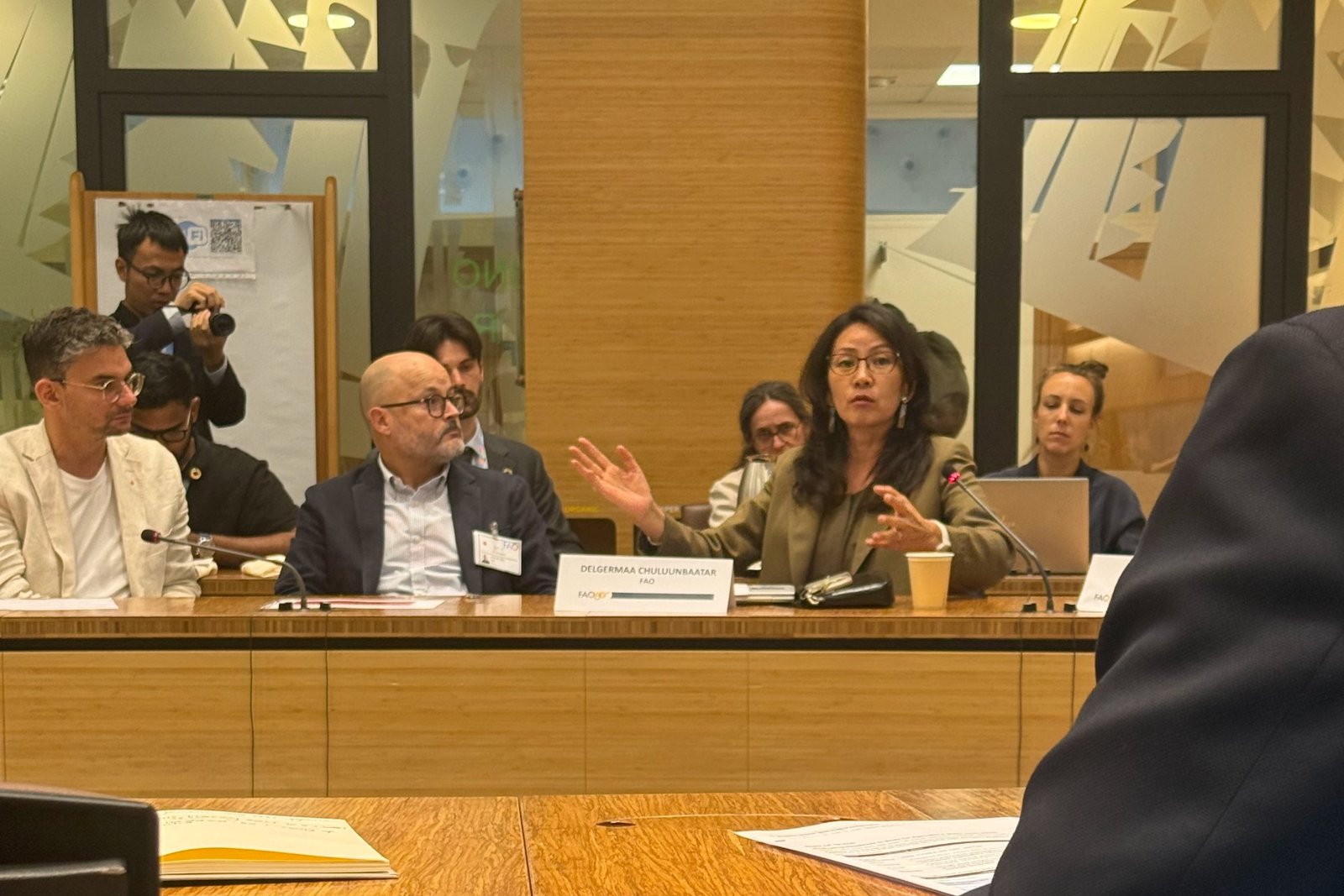
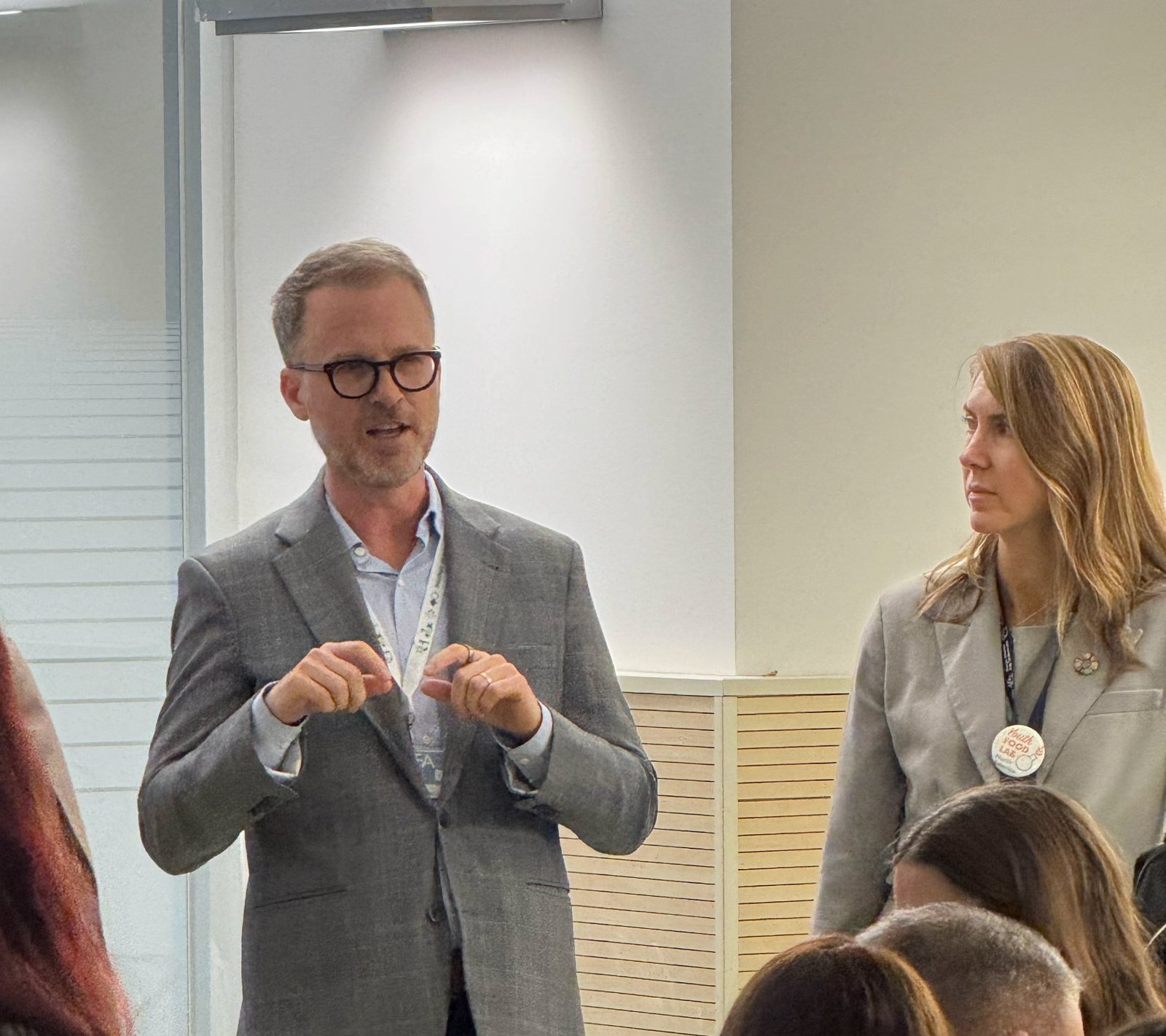
Through the SDG2 Hub and forums like this one, UC Davis takes part in the global conversation on ending hunger alongside FAO, governments and partner universities.
What it means for students
FAO and its U.S. university partners are planning university delegations to the 2027 World Food Forum and a webinar series for U.S. campuses. FAO's youth initiatives, including World Food Forum Academic Delegations, the Young Scientist Program and the Youth Policy Board, give students a route into global food policy. This year FAO also launched the US Local Action Leadership Challenge, in which students identified local agrifood systems challenges and proposed solutions; FAO plans to expand it. IAD students often go on to work within FAO and other major multilateral organizations.
The SDG2 Hub piloted its first International Student Dialogue in November 2026 and will continue the series in 2027, using student input to shape the SDG2 Hub's priorities and policy engagement. Students can also get involved through SDG Action and Awareness Week, March 1–5, by planning events on campus.
Food systems challenges cut across crop production, markets, nutrition, climate, gender and policy. IAD trains students to work across all of them. Students draw on faculty from across UC Davis to combine technical training with economics, social science and policy. They then apply it through a capstone or thesis with partner organizations. Graduates leave ready to work across disciplines and sectors, from field research to global policy.